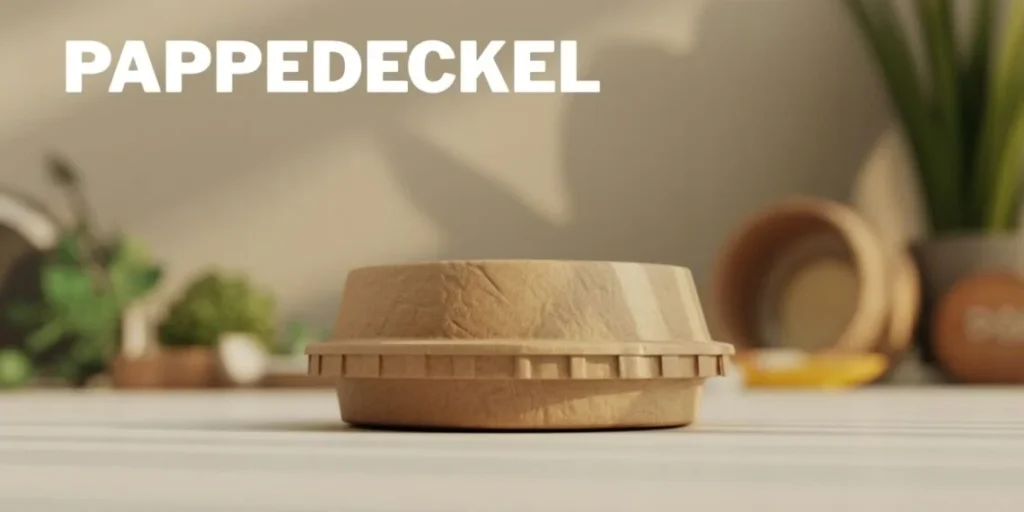
Pappedeckel
Welcome to the wonderful world of sustainable materials! If you have ever looked at a sturdy piece of cardboard and wondered about its potential, you are in the right place. In many parts of the world, people use the term pappedeckel to describe thick, durable paperboard or card stock. This material is much more than just a shipping box. It is a hero of the crafting world and a champion for our environment. Whether you are a parent looking for a fun weekend project or a business owner wanting better packaging, understanding this material will change how you look at “trash” forever.
Many people think all cardboard is the same, but that is simply not true. When we talk about pappedeckel, we are talking about a specific type of strength and flexibility. It is thick enough to hold its shape but easy enough for a child to cut with safety scissors. This makes it the perfect medium for imagination. In this guide, we will dive deep into why this material is gaining so much popularity in the United States and how you can use it to make your life more organized and colorful.
What Exactly is Pappedeckel?
To understand this material, think about the back of a legal notepad or the sturdy inserts in a new shirt package. That firm, flat surface is what we call pappedeckel. Unlike corrugated cardboard, which has those “wavy” layers in the middle, this material is usually solid. It comes in various thicknesses, often measured in grams per square meter. The beauty of it lies in its simplicity. It is made from compressed paper fibers, often coming from recycled sources like old newspapers or office documents. This makes it a very “green” choice for anyone worried about their carbon footprint.
In the world of manufacturing, this material is a superstar because it is so easy to print on. If you have ever bought a high-end box of chocolates or a nice board game, you have likely touched high-quality pappedeckel. It provides a smooth surface that takes ink beautifully, making colors pop and text easy to read. For DIY fans, this means you can paint it, marker it, or glue fabric to it without the surface warping or peeling away easily. It is the ultimate blank canvas for your next big idea.
The Environmental Power of Paperboard
One of the biggest reasons to love pappedeckel is how much it helps our planet. We are all trying to reduce plastic use these days, right? Switching to paper-based products is a massive step in the right direction. Because this material is made from natural wood fibers, it is completely biodegradable. If it ends up in a compost pile, it will break down and return to the earth without leaving behind harmful chemicals. This is a huge win for our oceans and our wildlife, which often suffer from plastic pollution.
Furthermore, the recycling process for pappedeckel is incredibly efficient. It can be broken down into pulp and turned into new paper products many times over. When you choose to use this material for your home organizing or shipping needs, you are supporting a circular economy. You are telling the world that you value resources and want to keep them out of landfills. It feels good to know that a simple choice in materials can have such a positive impact on the world our children will inherit.
Creative Home Projects for Everyone
Are you tired of buying expensive plastic organizers for your junk drawer? You can use pappedeckel to create custom dividers that fit your space perfectly. All you need is a ruler, a pencil, and some glue. Because the material is so sturdy, it can hold up your pens, paperclips, and tools for years. You can even wrap the dividers in pretty wrapping paper to make them look like they came from a high-end boutique. It is a productive way to spend an afternoon while saving a few dollars.
For parents, this material is a total lifesaver during rainy days. You can cut pappedeckel into shapes to make homemade puzzles, masks, or even a small dollhouse. Unlike thin paper, it won’t flop over when your kids are playing with it. I once helped my nephew build a giant castle out of these sheets, and he played with it for months! It encourages kids to use their brains and their hands instead of just staring at a screen. It turns a boring afternoon into a grand adventure in engineering.
Detailed Comparison of Paper Materials
| Material Type | Strength Level | Best Use Case | Eco-Friendliness |
| Standard Paper | Low | Writing and Printing | High |
| Pappedeckel | Medium-High | Modeling, Backing, Crafts | Excellent |
| Corrugated Box | High | Shipping Heavy Items | Good |
| Poster Board | Medium | School Presentations | Moderate |
| Cardstock | Low-Medium | Business Cards, Invites | High |
Why Businesses Prefer This Material
If you run a small business, your packaging is the first thing a customer sees. Using pappedeckel gives your products a premium, artisanal feel that plastic bags just can’t match. It protects the contents from bending during mail transit while remaining lightweight. Since shipping costs are often based on weight, using a material that is both light and strong helps keep your profits high. It is the “Goldilocks” of packaging materials—not too heavy, not too flimsy, but just right for almost any small item.
Additionally, many customers today are “eco-conscious.” They prefer buying from brands that use minimal plastic. By using pappedeckel for your tags, inserts, or boxes, you are sending a clear message about your brand values. You can even print a small note on the bottom telling your customers how to recycle the packaging. This builds trust and loyalty, as people love feeling like their purchase supported a responsible company. It is a simple marketing win that also helps the Earth stay clean.
Master Your Crafting Techniques
Working with pappedeckel is an art form that anyone can master with a little bit of practice. One tip I always share is to “score” the material before you try to fold it. Scoring means running a dull edge, like a butter knife or a bone folder, along the line where you want to fold. This breaks the tension of the fibers just enough to give you a crisp, professional-looking crease. If you just try to fold it with your hands, the material might crack or look messy.
Another great trick is to use the right kind of adhesive. Since pappedeckel is porous, it loves liquid glue, but you have to be careful not to use too much. Too much moisture can cause the fibers to swell and the board to bend. A thin, even layer of white glue or a high-quality glue stick usually does the trick. For projects that need to hold a lot of weight, you might even consider using double-sided tape. Once you learn these little secrets, you will be amazed at how sturdy and beautiful your creations can become.
Fun Educational Uses for Teachers
Teachers are some of the most creative people on the planet, and they have used pappedeckel for decades. In the classroom, this material is perfect for making “flashcards” that actually last the whole school year. Because it is thick, students can’t see through the back, which is great for memory games. It can also be used to create sturdy covers for “student-made books.” When a child sees their writing bound in a hard cover, it makes them feel like a real author, boosting their confidence and love for learning.
Science projects also benefit greatly from this versatile board. Whether a student is building a model of the solar system or a sturdy base for a volcano, pappedeckel provides the necessary support. It can handle the weight of clay, paint, and even small electronic components for STEM projects. Because it is affordable, schools can buy it in bulk, ensuring every child has the tools they need to succeed. It levels the playing field so that every student can bring their brightest ideas to life without breaking the budget.
The History of Stiff Paper Products
It is fascinating to look back at how pappedeckel came to be a household staple. Long ago, paper was a luxury item that was very thin and expensive. As manufacturing improved during the Industrial Revolution, people found ways to press fibers together to create thicker boards. This changed everything from how we store food to how we send letters. In the early days, these boards were often used to stiffen the collars of men’s shirts or to protect fragile photographs in the mail.
As time went on, the process became more refined and environmentally friendly. We moved away from using harsh chemicals and started focusing on mechanical pressing and natural starches for bonding. Today, the pappedeckel we use is a marvel of modern engineering. It is designed to be uniform in thickness and color, ensuring that every sheet you buy is as good as the last. Knowing the history of this humble material makes you appreciate the hard work that goes into making even the simplest things in our lives.
Organizing Your Workspace Like a Pro
A messy desk can lead to a messy mind, but pappedeckel is here to save the day once again. You can create custom “tech stations” to hold your phone, tablet, and charging cables. By cutting small notches into the board, you can keep your cords from falling behind your desk. It is a simple solution to a very modern problem. Plus, because you made it yourself, you can size it perfectly for your specific devices. It is much more satisfying than buying a generic plastic stand from a big-box store.
You can also use this material to create “mood boards” or “vision boards.” Pinning your goals, photos, and inspirations to a thick piece of pappedeckel gives them a physical presence in your room. Unlike a digital board on your computer, a physical board reminds you of your dreams every time you walk past it. You can lean it against a wall or hang it up with simple command strips. It is a powerful tool for personal growth that costs almost nothing but provides immense value to your daily routine.
Troubleshooting Common Issues
Sometimes, beginners might find that their pappedeckel starts to curl if it gets damp or if they paint only one side. This is a natural reaction of the paper fibers. To fix this, simply apply a light layer of paint or even just plain water to the other side. As both sides dry, they will pull against each other and flatten out. It is a neat little trick of physics! If you are using it for a base, you can also weigh it down with heavy books while it dries to ensure it stays perfectly flat.
Another common issue is “fraying” at the edges when cutting. This usually happens if your blade is dull. Always use a fresh craft knife or sharp scissors when working with pappedeckel. If you do get a few fuzzy edges, you can gently sand them down with a piece of fine-grit sandpaper. This will give your project a smooth, professional finish that looks like it was made in a factory. Don’t get discouraged if your first project isn’t perfect; every mistake is just a lesson in how the material behaves.
Exploring Different Textures and Colors
While most people think of pappedeckel as being brown or gray, it actually comes in a wide rainbow of colors. You can find “pearlized” versions that shimmer in the light, or textured versions that feel like linen or leather. This variety opens up even more possibilities for high-end crafting and card making. Imagine sending a wedding invitation or a holiday card that feels substantial and expensive in the recipient’s hand. That is the power of choosing the right weight and texture of board.
For those who love a rustic look, the natural “kraft” brown color of pappedeckel is perfect. It pairs beautifully with white ink or twine for a cozy, farmhouse aesthetic. You can use it to make gift tags, place cards for a dinner party, or even covers for your garden journal. The neutral color allows whatever you put on top of it to be the star of the show. It is a timeless look that never goes out of style and fits into almost any home decor theme.
The Future of Sustainable Packaging
As we look toward the future, the role of pappedeckel is only going to grow. Scientists are currently working on ways to make these boards even stronger and more water-resistant using natural coatings like seaweed or plant wax. This could eventually allow us to use paperboard for even more things, like liquid containers or outdoor signage. The goal is to create a world where everything we use can be safely returned to the soil. It is an exciting time for material science!
By choosing to learn about and use pappedeckel today, you are part of this forward-thinking movement. You are choosing a path that respects nature while still allowing for creativity and commerce. Whether you are building a school project, shipping a product, or just organizing your home, you are making a difference. This humble material is a reminder that sometimes the simplest solutions are the best ones. Let’s continue to explore, create, and protect our world, one sheet of board at a time.
Frequently Asked Questions
1. Is pappedeckel the same as regular cardboard?
Not exactly! While they are related, pappedeckel is usually a solid, single layer of thick paperboard. Regular cardboard, especially the kind used for shipping boxes, often has a corrugated (wavy) middle layer to provide extra cushioning.
2. Can I recycle this material in my curbside bin?
Yes, in almost all cases! Because it is made of paper fibers, it is highly recyclable. Just make sure it is clean and dry. If it has a lot of food grease on it (like a pizza box), you might want to compost that specific part instead.
3. How do I cut thick board without hurting my hands?
The best way is to use a sharp craft knife and a metal ruler. Instead of trying to cut all the way through in one go, make several light passes. This is much safer and results in a much cleaner edge for your pappedeckel project.
4. Is it safe for kids to use for crafts?
Absolutely! It is a very safe material. Just be sure to supervise them if they are using sharp tools. For younger children, pre-cutting the shapes and letting them handle the gluing and decorating is a great way to keep them involved safely.
5. Can I use this material for outdoor projects?
Since it is made of paper, it will soak up water if it gets wet. However, you can make it more water-resistant by spraying it with a clear acrylic sealer or coating it with a bit of wax. It’s best for indoor use or temporary outdoor use in dry weather.
6. Where can I buy high-quality board?
You can find it at most craft stores, office supply shops, or online. Often, you can even find it for free by saving the inserts from packaging you already receive! Reusing is the most eco-friendly way to get your hands on some pappedeckel.
Conclusion: Your Journey Starts Here
We have covered a lot of ground today, from the environmental benefits of pappedeckel to the many ways you can use it in your home and business. It is clear that this material is a versatile, affordable, and eco-friendly choice for anyone looking to be more creative and responsible. By understanding how to handle it, fold it, and glue it, you have opened up a world of DIY possibilities that are limited only by your imagination.
I hope this guide has inspired you to go find a piece of board and start creating something today. Whether it is a small gift tag or a large organizational system, every project helps you build your skills and appreciation for this wonderful material. Remember, every time you choose paper over plastic, you are doing a favor for the planet. So, what are you waiting for? Grab your ruler and let’s get started on your next big project!
Stay in touch to get more updates & alerts on Tech4mind! Thank you
About the Author


